参考文献
[1] 杨靖,张英梅,葛均波. 泛血管疾病防控——从疾病治疗到综合管理[J/OL]. 中华心血管病杂志(网络版),2021,4:e1000096. [2024-07-12](2021-12-10).http://www.cvjc.org.cn/index.php/Column/columncon/article_id/272. DOI:10.3760/cma.j.cn116031.2021.1000096.
[2] 中国心血管健康与疾病报告编写组. 中国心血管健康与疾病报告2022概要[J]. 中国循环杂志, 2023, 38(6):583‑612. DOI: 10.3969/j.issn.1000‑3614.2023.06.001.
[3] 马丽媛, 王增武, 樊静, 等. 《中国心血管健康与疾病报告2021》概要[J]. 中国介入心脏病学杂志, 2022, 30(7):481‑496. DOI: 10.3969/j.issn.1004‑8812.2022.07.001.
[4] Knuuti J, Wijns W, Saraste A, et al. 2019 ESC Guidelines for the diagnosis and management of chronic coronary syndromes[J]. Eur Heart J, 2020, 41(3):407‑477. DOI: 10.1093/eurheartj/ehz425.
[5] Writing Committee Members, Virani SS, Newby LK, et al. 2023 AHA/ACC/ACCP/ASPC/NLA/PCNA Guideline for the Management of Patients With Chronic Coronary Disease: A Report of the American Heart Association/American College of Cardiology Joint Committee on Clinical Practice Guidelines[J]. J Am Coll Cardiol,2023,82(9):833-955. DOI: 10.1016/j.jacc.2023.04.003.
[6] 中华心血管病杂志(网络版)编辑委员会. 动脉粥样硬化斑块的筛查与临床管理专家共识[J]. 中华心血管病杂志(网络版), 2022, 5(1):1‑13. DOI: 10.3760/cma.j.cn116031.2022.1000123.
[7] 中国医药教育协会急诊医学分会, 中华医学会急诊医学分会心脑血管学组, 急性血栓性疾病急诊专家共识组. 中国急性血栓性疾病抗栓治疗共识[J]. 中国急救医学, 2019, 39(6):501‑531. DOI: 10.3969/j.issn.1002‑1949.2019.06.001.
[8] 中国医师协会心血管内科医师分会. 泛血管疾病抗栓治疗中国专家共识(2024版)[J]. 中华医学杂志, 2024, 104(12):906‑923. DOI: 10.3760/cma.j.cn112137‑20231101‑00959.
[9] Li S, Liu Z, Joseph P, et al. Modifiable risk factors associated with cardiovascular disease and mortality in China: a PURE substudy[J]. Eur Heart J, 2022, 43(30):2852‑2863. DOI: 10.1093/eurheartj/ehac268.
[10] Global Cardiovascular Risk Consortium, Magnussen C, Ojeda FM, et al. Global effect of modifiable risk factors on cardiovascular disease and mortality[J]. N Engl J Med, 2023, 389(14):1273‑1285. DOI: 10.1056/NEJMoa2206916.
[11] Li S, Liu HH, Guo YL, et al. Improvement of evaluation in Chinese patients with atherosclerotic cardiovascular disease using the very‑high‑risk refinement: a population‑based study[J]. Lancet Reg Health West Pac, 2021,17:100286. DOI: 10.1016/j.lanwpc.2021.100286.
[12] Xu J, Zhang X, Jin A, et al. Trends and risk factors associated with stroke recurrence in China, 2007‑2018[J]. JAMA Netw Open, 2022, 5(6):e2216341. DOI: 10.1001/jamanetworkopen.2022.16341.
[13] 林深, 于春宇, 饶辰飞, 等. 稳定性冠心病患者冠状动脉血运重建指征适宜程度的多中心研究[J]. 中国循环杂志, 2019, 34(9):859‑865. DOI: 10.3969/j.issn.1000‑3614.2019.09.004.
[14] Guan W, Venkatesh AK, Bai X, et al. Time to hospital arrival among patients with acute myocardial infarction in China: a report from China PEACE prospective study[J]. Eur Heart J Qual Care Clin Outcomes, 2019, 5(1):63‑71. DOI: 10.1093/ehjqcco/qcy022.
[15] Dorresteijn JA, Visseren FL, Wassink AM, et al. Development and validation of a prediction rule for recurrent vascular events based on a cohort study of patients with arterial disease: the SMART risk score[J]. Heart, 2013, 99(12):866‑872. DOI: 10.1136/heartjnl‑2013‑303640.
[16] Vanassche T, Verhamme P, Anand SS, et al. Risk factors and clinical outcomes in chronic coronary and peripheral artery disease: An analysis of the randomized, double‑blind COMPASS trial[J]. Eur J Prev Cardiol, 2020, 27(3):296‑307. DOI: 10.1177/2047487319882154.
[17] Li S, Liu HH, Guo YL, et al. Current guideline risk stratification and cardiovascular outcomes in chinese patients suffered from atherosclerotic cardiovascular disease[J]. Front Endocrinol (Lausanne), 2022,13:860698. DOI: 10.3389/fendo.2022.860698.
[18] Hageman S, McKay AJ, Ueda P, et al. Estimation of recurrent atherosclerotic cardiovascular event risk in patients with established cardiovascular disease: the updated SMART2 algorithm[J]. Eur Heart J, 2022, 43(18):1715‑1727. DOI: 10.1093/eurheartj/ehac056.
[19] Bragg F, Li L, Yang L, et al. Risks and population burden of cardiovascular diseases associated with diabetes in China: A prospective study of 0.5 million adults[J]. PLoS Med, 2016, 13(7):e1002026. DOI: 10.1371/journal.pmed.1002026.
[20] 中国营养学会肥胖防控分会, 中国营养学会临床营养分会, 中华预防医学会行为健康分会, 等. 中国居民肥胖防治专家共识[J]. 西安交通大学学报(医学版), 2022, 43(4):619‑631.
[21] 中华医学会内分泌学分会, 中华中医药学会糖尿病分会, 中国医师协会外科医师分会肥胖和糖尿病外科医师委员会, 等. 基于临床的肥胖症多学科诊疗共识(2021年版)[J]. 中华内分泌代谢杂志, 2021, 37(11):959‑972. DOI: 10.3760/cma.j.cn311282‑20210807‑00503.
[22] Cornier MA, Després JP, Davis N, et al. Assessing adiposity: a scientific statement from the American Heart Association[J]. Circulation, 2011, 124(18):1996‑2019. DOI: 10.1161/CIR.0b013e318233bc6a.
[23] Decoda Study Group, Nyamdorj R, Qiao Q, et al. BMI compared with central obesity indicators in relation to diabetes and hypertension in Asians[J]. Obesity (Silver Spring), 2008, 16(7):1622‑1635. DOI: 10.1038/oby.2008.73.
[24] Yusuf S, Hawken S, Ounpuu S, et al. Obesity and the risk of myocardial infarction in 27,000 participants from 52 countries: a case‑control study[J]. Lancet, 2005, 366(9497):1640‑1649. DOI: 10.1016/S0140‑6736(05)67663‑5.
[25] Kyrou I, Panagiotakos DB, Kouli GM, et al. Lipid accumulation product in relation to 10‑year cardiovascular disease incidence in Caucasian adults: The ATTICA study[J]. Atherosclerosis, 2018,279:10‑16. DOI: 10.1016/j.atherosclerosis.2018.10.015.
[26] Wang L, Lee Y, Wu Y, et al. A prospective study of waist circumference trajectories and incident cardiovascular disease in China: the Kailuan Cohort Study[J]. Am J Clin Nutr, 2021, 113(2):338‑347. DOI: 10.1093/ajcn/nqaa331.
[27] Huang YC, Huang JC, Lin CI, et al. Comparison of innovative and traditional cardiometabolic indices in estimating atherosclerotic cardiovascular disease risk in adults[J]. Diagnostics (Basel), 2021, 11(4):603. DOI: 10.3390/diagnostics11040603.
[28] van den Berg MJ, van der Graaf Y, de Borst GJ, et al. Low‑density lipoprotein cholesterol, non‑high‑density lipoprotein cholesterol, triglycerides, and apolipoprotein B and cardiovascular risk in patients with manifest arterial disease[J]. Am J Cardiol, 2016, 118(6):804‑810. DOI: 10.1016/j.amjcard.2016.06.048.
[29] Luo F, Lin Y, Zhang X, et al. Post‑treatment level of LDL cholesterol and all‑cause mortality in patients with atherosclerotic cardiovascular disease: evidence from real‑world setting[J]. Eur J Prev Cardiol, 2024, 31(3):337‑345. DOI: 10.1093/eurjpc/zwad354.
[30] Boekholdt SM, Arsenault BJ, Mora S, et al. Association of LDL cholesterol, non‑HDL cholesterol, and apolipoprotein B levels with risk of cardiovascular events among patients treated with statins: a meta‑analysis[J]. JAMA, 2012, 307(12):1302‑1309. DOI: 10.1001/jama.2012.366.
[31] Thanassoulis G, Williams K, Ye K, et al. Relations of change in plasma levels of LDL‑C, non‑HDL‑C and apoB with risk reduction from statin therapy: a meta‑analysis of randomized trials[J]. J Am Heart Assoc, 2014, 3(2):e000759. DOI: 10.1161/JAHA.113.000759.
[32] Zhou M, Wang H, Zeng X, et al. Mortality, morbidity, and risk factors in China and its provinces, 1990‑2017: a systematic analysis for the Global Burden of Disease Study 2017[J]. Lancet, 2019, 394(10204):1145‑1158. DOI: 10.1016/S0140‑6736(19)30427‑1.
[33] Rahimi‑Sakak F, Maroofi M, Rahmani J, et al. Serum uric acid and risk of cardiovascular mortality: a systematic review and dose‑response meta‑analysis of cohort studies of over a million participants[J]. BMC Cardiovasc Disord, 2019, 19(1):218. DOI: 10.1186/s12872‑019‑1215‑z.
[34] Yang Y, Zhang Y, Li Y, et al. U‑shaped relationship between functional outcome and serum uric acid in ischemic stroke[J]. Cell Physiol Biochem, 2018, 47(6):2369‑2379. DOI: 10.1159/000491609.
[35] Harris S, Rasyid A, Kurniawan M, et al. Association of high blood homocysteine and risk of increased severity of ischemic stroke events[J]. Int J Angiol, 2019, 28(1):34‑38. DOI: 10.1055/s‑0038‑1667141.
[36] 袁锐, 张润峰. H型高血压与心血管疾病发生机制研究进展[J]. 西南军医, 2018, 20(3):372‑375. DOI: 10.3969/j.issn.1672‑7193.2018.03.020.
[37] Huang K, Yang X, Liang F, et al. Long‑term exposure to fine particulate matter and hypertension incidence in China[J]. Hypertension, 2019, 73(6):1195‑1201. DOI: 10.1161/HYPERTENSIONAHA.119.12666.
[38] Liang F, Yang X, Liu F, et al. Long‑term exposure to ambient fine particulate matter and incidence of diabetes in China: A cohort study[J]. Environ Int, 2019,126:568‑575. DOI: 10.1016/j.envint.2019.02.069.
[39] Huang S, Zhang X, Liu Z, et al. Long‑term impacts of ambient fine particulate matter exposure on overweight or obesity in Chinese adults: The China‑PAR project[J]. Environ Res, 2021,201:111611. DOI: 10.1016/j.envres.2021.111611.
[40] Zhang W, Gao M, Xiao X, et al. Long‑term PM(0.1) exposure and human blood lipid metabolism: New insight from the 33‑community study in China[J]. Environ Pollut, 2022,303:119171. DOI: 10.1016/j.envpol.2022.119171.
[41] Kollias A, Kyriakoulis KG, Stambolliu E, et al. Seasonal blood pressure variation assessed by different measurement methods: systematic review and meta‑analysis[J]. J Hypertens, 2020, 38(5):791‑798. DOI: 10.1097/HJH.0000000000002355.
[42] Shi C, Han X, Guo W, et al. Disturbed Gut‑Liver axis indicating oral exposure to polystyrene microplastic potentially increases the risk of insulin resistance[J]. Environ Int, 2022,164:107273. DOI: 10.1016/j.envint.2022.107273.
[43] Marfella R, Prattichizzo F, Sardu C, et al. Microplastics and nanoplastics in atheromas and cardiovascular events[J]. N Engl J Med, 2024, 390(10):900‑910. DOI: 10.1056/NEJMoa2309822.
[44] He Y, Li Y, Yang X, et al. The dietary transition and its association with cardiometabolic mortality among Chinese adults, 1982‑2012: a cross‑sectional population‑based study[J]. Lancet Diabetes Endocrinol, 2019, 7(7):540‑548. DOI: 10.1016/S2213‑8587(19)30152‑4.
[45] Fan S, Chen J, Huang J, et al. Physical activity level and incident type 2 diabetes among Chinese adults[J]. Med Sci Sports Exerc, 2015, 47(4):751‑756. DOI: 10.1249/MSS.0000000000000471.
[46] Du H, Bennett D, Li L, et al. Physical activity and sedentary leisure time and their associations with BMI, waist circumference, and percentage body fat in 0.5 million adults: the China Kadoorie Biobank study[J]. Am J Clin Nutr, 2013, 97(3):487‑496. DOI: 10.3945/ajcn.112.046854.
[47] Zou Q, Wang H, Su C, et al. Longitudinal association between physical activity and blood pressure, risk of hypertension among Chinese adults: China Health and Nutrition Survey 1991‑2015[J]. Eur J Clin Nutr, 2021, 75(2):274‑282. DOI: 10.1038/s41430‑020‑0653‑0.
[48] Witkowski M, Nemet I, Alamri H, et al. The artificial sweetener erythritol and cardiovascular event risk[J]. Nat Med, 2023, 29(3):710‑718. DOI: 10.1038/s41591‑023‑02223‑9.
[49] Debras C, Chazelas E, Sellem L, et al. Artificial sweeteners and risk of cardiovascular diseases: results from the prospective NutriNet‑Santé cohort[J]. BMJ, 2022, 378:e071204. DOI: 10.1136/bmj‑2022‑071204.
[50] 于广红, 黄金鹏. 营养评估联合个体化营养支持在老年心血管疾病住院患者中的应用[J]. 中西医结合心血管病电子杂志, 2021, 9(18):1‑4. DOI: 10.16282/j.cnki.cn11‑9336/r.2021.18.033.
[51] Sueta D, Hokimoto S, Sakamoto K, et al. Validation of the high mortality rate of Malnutrition‑Inflammation‑ Atherosclerosis syndrome: -Community‑based observational study[J]. Int J Cardiol, 2017,230:97‑102. DOI: 10.1016/j.ijcard.2016.12.072.
[52] Kou H, Liu Y, Liang G, et al. Maternal glucocorticoid elevation and associated blood metabonome changes might be involved in metabolic programming of intrauterine growth retardation in rats exposed to caffeine prenatally[J]. Toxicol Appl Pharmacol, 2014, 275(2):79‑87. DOI: 10.1016/j.taap.2014.01.007.
[53] Dohnalová L, Lundgren P, Carty J, et al. A microbiome‑dependent gut‑brain pathway regulates motivation for exercise[J]. Nature, 2022, 612(7941):739‑747. DOI: 10.1038/s41586‑022‑05525‑z.
[54] 何浩强, 高嘉良, 陈光, 等. 肠道菌群与冠心病相关危险因素的研究进展[J]. 中国临床保健杂志, 2017, 20(5):607‑611. DOI: 10.3969/J.issn.1672‑6790.2017.05.035.
[55] Wahlström A, Sayin SI, Marschall HU, et al. Intestinal crosstalk between bile acids and microbiota and its impact on host metabolism[J]. Cell Metab, 2016, 24(1):41‑50. DOI: 10.1016/j.cmet.2016.05.005.
[56] Canfora EE, Jocken JW, Blaak EE. Short‑chain fatty acids in control of body weight and insulin sensitivity[J]. Nat Rev Endocrinol, 2015, 11(10):577‑591. DOI: 10.1038/nrendo.2015.128.
[57] Wang Z, Klipfell E, Bennett BJ, et al. Gut flora metabolism of phosphatidylcholine promotes cardiovascular disease[J]. Nature, 2011, 472(7341):57‑63. DOI: 10.1038/nature09922.
[58] Manolis AA, Manolis TA, Melita H, et al. Gut microbiota and cardiovascular disease: symbiosis versus dysbiosis[J]. Curr Med Chem, 2022, 29(23):4050‑4077. DOI: 10.2174/0929867328666211213112949.
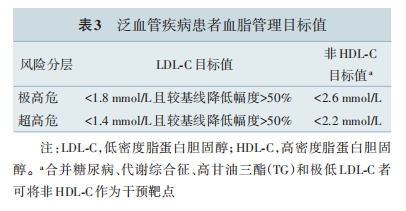
[59] 中国血脂管理指南修订联合专家委员会. 中国血脂管理指南(2023年)[J]. 中华心血管病杂志, 2023, 51(3):221‑255. DOI: 10.3760/cma.j.cn112148‑20230119‑00038.
[60] Luo Y, Wang J, Sun L, et al. Isocaloric‑restricted mediterranean diet and Chinese diets high or low in plants in adults with prediabetes[J]. J Clin Endocrinol Metab, 2022, 107(8):2216‑2227. DOI: 10.1210/clinem/dgac303.
[61] Wang Y, Feng L, Zeng G, et al. Effects of cuisine‑based Chinese heart‑healthy diet in lowering blood pressure among adults in China: Multicenter, Single‑Blind, Randomized, Parallel Controlled Feeding Trial[J]. Circulation, 2022, 146(4):303‑315. DOI: 10.1161/CIRCULATIONAHA.122.059045.
[62] Khalesi S, Sun J, Buys N, et al. Green tea catechins and blood pressure: a systematic review and meta‑analysis of randomised controlled trials[J]. Eur J Nutr, 2014, 53(6):1299‑1311. DOI: 10.1007/s00394‑014‑0720‑1.
[63] Tian C, Huang Q, Yang L, et al. Green tea consumption is associated with reduced incident CHD and improved CHD‑related biomarkers in the Dongfeng‑Tongji cohort[J]. Sci Rep, 2016,6:24353. DOI: 10.1038/srep24353.
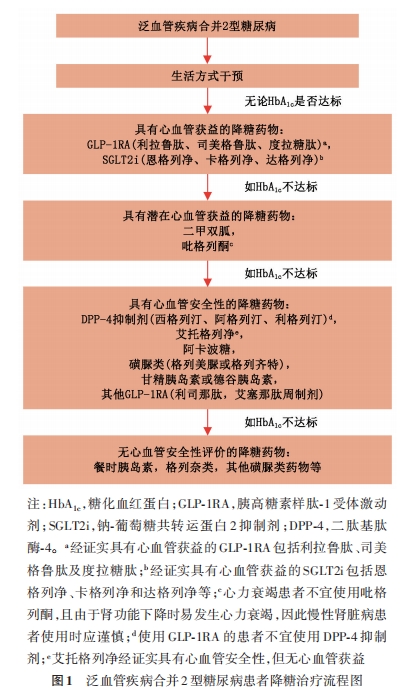
[64] 国家卫生健康委员会能力建设和继续教育中心, 孙艺红, 陈康, 等. 糖尿病患者合并心血管疾病诊治专家共识[J]. 中华内科杂志, 2021, 60(5):421‑437. DOI: 10.3760/cma.j.cn112138‑20201208‑00999.
[65] Marx N, Federici M, Schütt K, et al. 2023 ESC Guidelines for the management of cardiovascular disease in patients with diabetes[J]. Eur Heart J, 2023, 44(39):4043‑4140. DOI: 10.1093/eurheartj/ehad192.
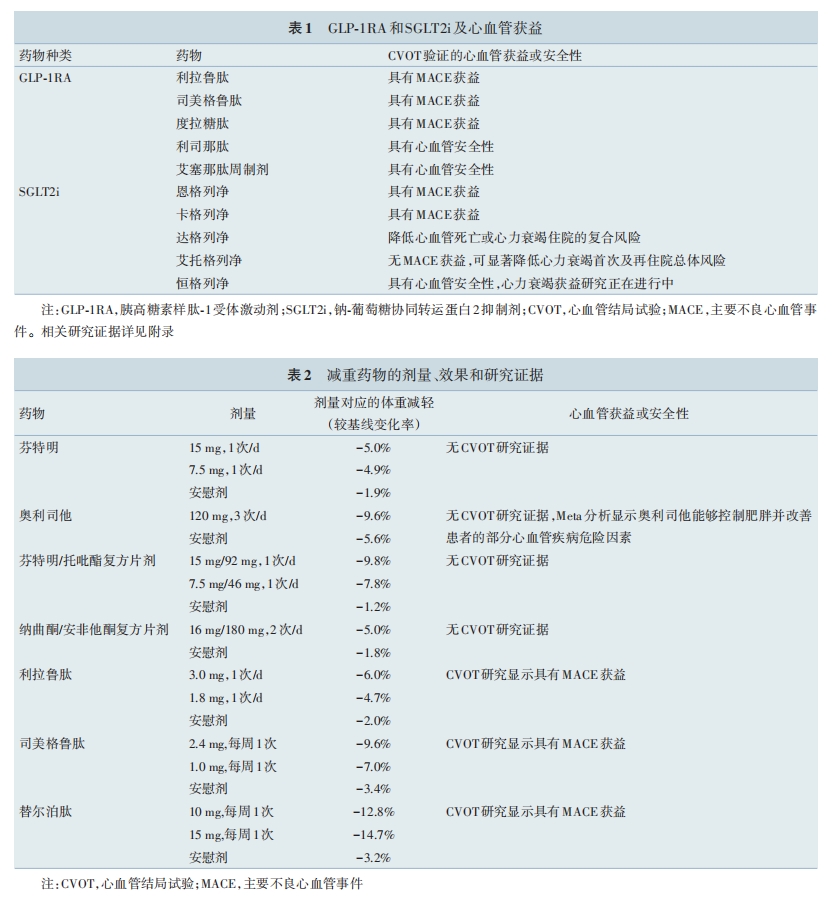
[66] Marso SP, Daniels GH, Brown‑Frandsen K, et al. Liraglutide and cardiovascular outcomes in type 2 diabetes[J]. N Engl J Med, 2016, 375(4):311‑322. DOI: 10.1056/NEJMoa1603827.
[67] Marso SP, Bain SC, Consoli A, et al. Semaglutide and cardiovascular outcomes in patients with type 2 diabetes[J]. N Engl J Med, 2016, 375(19):1834‑1844. DOI: 10.1056/NEJMoa1607141.
[68] Gerstein HC, Colhoun HM, Dagenais GR, et al. Dulaglutide and cardiovascular outcomes in type 2 diabetes (REWIND): a double‑blind, randomised placebo‑controlled trial[J]. Lancet, 2019, 394(10193):121‑130. DOI: 10.1016/S0140‑6736(19)31149‑3.
[69] Zinman B, Wanner C, Lachin JM, et al. Empagliflozin, cardiovascular outcomes, and mortality in type 2 diabetes[J]. N Engl J Med, 2015, 373(22):2117‑2128. DOI: 10.1056/NEJMoa1504720.
[70] Neal B, Perkovic V, Mahaffey KW, et al. Canagliflozin and cardiovascular and renal events in type 2 diabetes[J]. N Engl J Med, 2017, 377(7):644‑657. DOI: 10.1056/NEJMoa1611925.
[71] Perkovic V, Jardine MJ, Neal B, et al. Canagliflozin and renal outcomes in type 2 diabetes and nephropathy[J]. N Engl J Med, 2019, 380(24):2295‑2306. DOI: 10.1056/NEJMoa1811744.
[72] Phung OJ, Schwartzman E, Allen RW, et al. Sulphonylureas and risk of cardiovascular disease: systematic review and meta‑analysis[J]. Diabet Med, 2013, 30(10):1160‑1171. DOI: 10.1111/dme.12232.
[73] American Diabetes Association professional practice committee. 9. pharmacologic approaches to glycemic treatment: standards of care in diabetes‑2024[J]. Diabetes Care, 2024, 47(Suppl 1):S158‑S178. DOI: 10.2337/dc24‑S009.
[74] Carlsson L, Sjöholm K, Jacobson P, et al. Life expectancy after bariatric surgery in the swedish obese subjects study[J]. N Engl J Med, 2020, 383(16):1535‑1543. DOI: 10.1056/NEJMoa2002449.
[75] Sjöström L, Peltonen M, Jacobson P, et al. Association of bariatric surgery with long‑term remission of type 2 diabetes and with microvascular and macrovascular complications[J]. JAMA, 2014, 311(22):2297‑2304. DOI: 10.1001/jama.2014.5988.
[76] Schauer PR, Bhatt DL, Kirwan JP, et al. Bariatric surgery versus intensive medical therapy for diabetes ‑5‑year outcomes[J]. N Engl J Med, 2017, 376(7):641‑651. DOI: 10.1056/NEJMoa1600869.
[77] 中华医学会糖尿病学分会. 中国2型糖尿病防治指南(2020年版)[J]. 中华糖尿病杂志, 2021, 13(4):315‑409. DOI: 10.3760/cma.j.cn115791‑20210221‑00095.
[78] Gaba P, O′Donoghue ML, Park JG, et al. Association between achieved low‑density lipoprotein cholesterol levels and long‑term cardiovascular and safety outcomes: an analysis of FOURIER‑OLE[J]. Circulation, 2023, 147(16):1192‑1203. DOI: 10.1161/CIRCULATIONAHA.122.063399.
[79] 中国高血压防治指南修订委员会, 高血压联盟(中国), 中国医疗保健国际交流促进会高血压病学分会, 等. 中国高血压防治指南(2024年修订版)[J]. 中华高血压杂志(中英文), 2024, 32(7):603‑700. DOI: 10.16439/j.issn.1673‑7245.2024.07.002.
[80] 中国医疗保健国际交流促进会高血压分会, 中国医师协会心血管分会, 中国高血压联盟, 等. 沙库巴曲缬沙坦在高血压患者临床应用的中国专家建议[J]. 中华高血压杂志, 2021, 29(2):108‑114. DOI: 10.16439/j.issn.1673‑7245.2021.02.003.
[81] 中国民族卫生协会重症代谢疾病分会, 高尿酸血症相关疾病诊疗多学科共识专家组. 中国高尿酸血症相关疾病诊疗多学科专家共识(2023年版)[J]. 中国实用内科杂志, 2023, 43(6):461‑480. DOI: 10.19538/j.nk2023060106.
[82] Kang EH, Park EH, Shin A, et al. Cardiovascular risk associated with allopurinol vs. benzbromarone in patients with gout[J]. Eur Heart J, 2021, 42(44):4578‑4588. DOI: 10.1093/eurheartj/ehab619.
[83] Ohta Y, Ishizuka A, Arima H, et al. Effective uric acid‑lowering treatment for hypertensive patients with hyperuricemia[J]. Hypertens Res, 2017, 40(3):259‑263. DOI: 10.1038/hr.2016.139.
[84] Tardif JC, Kouz S, Waters DD, et al. Efficacy and safety of low‑dose colchicine after myocardial infarction[J]. N Engl J Med, 2019, 381(26):2497‑2505. DOI: 10.1056/NEJMoa1912388.
[85] Nidorf SM, Fiolet A, Mosterd A, et al. Colchicine in patients with chronic coronary disease[J]. N Engl J Med, 2020, 383(19):1838‑1847. DOI: 10.1056/NEJMoa2021372.
[86] Packer M. Hyperuricemia and gout reduction by SGLT2 inhibitors in diabetes and heart failure: JACC review topic of the week[J]. J Am Coll Cardiol, 2024, 83(2):371‑381. DOI: 10.1016/j.jacc.2023.10.030.
[87] 闫佳琳, 张芸楠, 韩嘉伦, 等. 氯沙坦对比其他血管紧张素受体拮抗剂对血尿酸水平影响的Meta分析[J]. 临床药物治疗杂志, 2022, 20(3):46‑52. DOI: 10.3969/j.issn.1672‑3384.2022.03.010.
[88] Fan Y, Wei F, Lang Y, et al. Losartan treatment for hypertensive patients with hyperuricaemia in Chinese population: a meta‑analysis[J]. J Hypertens, 2015, 33(4):681‑688; discussion 689. DOI: 10.1097/HJH.0000000000000478.
[89] Høieggen A, Alderman MH, Kjeldsen SE, et al. The impact of serum uric acid on cardiovascular outcomes in the LIFE study[J]. Kidney Int, 2004, 65(3):1041‑1049. DOI: 10.1111/j.1523‑1755.2004.00484.x.
[90] 段承阿鑫, 隋宾艳, 艾丹丹, 等. 阿利沙坦酯治疗原发性高血压的临床综合评价[J]. 中国合理用药探索, 2022, 19(3):46‑55. DOI: 10.3969/j.issn.2096‑3327.2022.03.008.
[91] 中国营养学会骨健康与营养专业委员会, 中华医学会肠外肠内营养学分会, 中国老年医学学会北方慢性病防治分会. 高同型半胱氨酸血症诊疗专家共识[J]. 肿瘤代谢与营养电子杂志, 2020, 7(3):283‑288. DOI: 10.16689/j.cnki.cn11‑9349/r.2020.03.007.
[92] Huo Y, Li J, Qin X, et al. Efficacy of folic acid therapy in primary prevention of stroke among adults with hypertension in China: the CSPPT randomized clinical trial[J]. JAMA, 2015, 313(13):1325‑1335. DOI: 10.1001/jama.2015.2274.
[93] Pfeffer MA, Claggett B, Diaz R, et al. Lixisenatide in patients with type 2 diabetes and acute coronary syndrome[J]. N Engl J Med, 2015, 373(23):2247‑2257. DOI: 10.1056/NEJMoa1509225.
[94] Jamerson K, Weber MA, Bakris GL, et al. Benazepril plus amlodipine or hydrochlorothiazide for hypertension in high‑risk patients[J]. N Engl J Med, 2008, 359(23):2417‑2428. DOI: 10.1056/NEJMoa0806182.
[95] Matsuzaki M, Ogihara T, Umemoto S, et al. Prevention of cardiovascular events with calcium channel blocker‑based combination therapies in patients with hypertension: a randomized controlled trial[J]. J Hypertens, 2011, 29(8):1649‑1659. DOI: 10.1097/HJH.0b013e328348345d.
[96] Huffman MD. The polypill: From promise to pragmatism[J]. PLoS Med, 2015, 12(8):e1001862. DOI: 10.1371/journal.pmed.1001862.
[97] Estes C, Razavi H, Loomba R, et al. Modeling the epidemic of nonalcoholic fatty liver disease demonstrates an exponential increase in burden of disease[J]. Hepatology, 2018, 67(1):123‑133. DOI: 10.1002/hep.29466.
[98] Newsome PN, Buchholtz K, Cusi K, et al. A placebo‑controlled trial of subcutaneous semaglutide in nonalcoholic steatohepatitis[J]. N Engl J Med, 2021, 384(12):1113‑1124. DOI: 10.1056/NEJMoa2028395.
[99] Rinella ME, Neuschwander‑Tetri BA, Siddiqui MS, et al. AASLD Practice Guidance on the clinical assessment and management of nonalcoholic fatty liver disease[J]. Hepatology, 2023, 77(5):1797‑1835. DOI: 10.1097/HEP.0000000000000323.
[100] Pipitone RM, Ciccioli C, Infantino G, et al. MAFLD: a multisystem disease[J]. Ther Adv Endocrinol Metab, 2023,14:20420188221145549. DOI: 10.1177/20420188221145549.
[101] Lazarus JV, Newsome PN, Francque SM, et al. Reply: A multi‑society Delphi consensus statement on new fatty liver disease nomenclature[J]. Hepatology, 2024, 79(3):E93‑E94. DOI: 10.1097/HEP.0000000000000696.
[102] Eslam M, Sanyal AJ, George J, et al. MAFLD: A consensus‑driven proposed nomenclature for metabolic associated fatty liver disease[J]. Gastroenterology, 2020, 158(7):1999‑2014.e1. DOI: 10.1053/j.gastro.2019.11.312.
[103] Matsushita K, Ballew SH, Wang AY, et al. Epidemiology and risk of cardiovascular disease in populations with chronic kidney disease[J]. Nat Rev Nephrol, 2022, 18(11):696‑707. DOI: 10.1038/s41581‑022‑00616‑6.
[104] Jankowski J, Floege J, Fliser D, et al. Cardiovascular disease in chronic kidney disease: pathophysiological insights and therapeutic options[J]. Circulation, 2021, 143(11):1157‑1172. DOI: 10.1161/CIRCULATIONAHA.120.050686.
[105] Mann J, Ørsted DD, Brown‑Frandsen K, et al. Liraglutide and renal outcomes in type 2 diabetes[J]. N Engl J Med, 2017, 377(9):839‑848. DOI: 10.1056/NEJMoa1616011.
[106] Rubino DM, Greenway FL, Khalid U, et al. Effect of weekly subcutaneous semaglutide vs daily liraglutide on body weight in adults with overweight or obesity without diabetes: The STEP 8 randomized clinical trial[J]. JAMA, 2022, 327(2):138‑150. DOI: 10.1001/jama.2021.23619.
[107] Gerstein HC, Colhoun HM, Dagenais GR, et al. Dulaglutide and renal outcomes in type 2 diabetes: an exploratory analysis of the REWIND randomised, placebo‑controlled trial[J]. Lancet, 2019, 394(10193):131‑138. DOI: 10.1016/S0140‑6736(19)31150‑X.
[108] Perkovic V, Tuttle KR, Rossing P, et al. Effects of semaglutide on chronic kidney disease in patients with type 2 diabetes[J]. N Engl J Med, 2024, 391(2):109‑121. DOI: 10.1056/NEJMoa2403347.
[109] Agarwal R, Filippatos G, Pitt B, et al. Cardiovascular and kidney outcomes with finerenone in patients with type 2 diabetes and chronic kidney disease: the FIDELITY pooled analysis[J]. Eur Heart J, 2022, 43(6):474‑484. DOI: 10.1093/eurheartj/ehab777.